Topview
    • MCP/Skill
    • Plugin
    • API
    • Pricing
    1. Home
    2. Wan 3.0

    AI Ads

    AI Video AgentAI Ads VideoAI Product VideoAI UGC VideoURL to Video

    AI Avatar

    AI Avatar GeneratorProduct AvatarDesign My AvatarAI Lip Sync

    AI Video

    AI Video GeneratorDrama StudioAI Video Body SwapAI Video UpscalerAI Video Watermark RemoverTikTok Watermark RemoverSora Watermark RemoverSubtitle RemoverAI Motion ControlAI Lip SyncURL to Video

    AI Image

    AI Image GeneratorAI Face SwapAI Image Character SwapAI Image UpscalerAI InpaintAI Image Text EditorPhoto Angle EditorAI RelightingAI Product PhotographyAI Virtual Try-OnAI Storyboard GeneratorExtract Color PaletteImage to Prompt

    AI Voice

    VoiceoverAI Voice CloningAI Music Generator

    3D

    3D World Generator3D Shot Composer

    Use Cases

    AdvertisingAffiliate MarketingEcommerceDTC BrandsAI Live Stream

    Resources

    BlogAffiliate ProgramLearning CenterAlternativeAPI

    Company

    Topview StudioPrivacy PolicyTerms
    Topview

    © 2026 TOPVIEW PTE. LTD.

    Singapore: 20 Collyer Quay #20-03, Singapore 049319
    Los Angeles: 15970 Los Serranos CC Dr #251, Chino Hills, CA 91709

    Wan 3.0 model logo
    Wan 3.0
    ×
    Topview AI logo
    Topview

    WAN 3.0 AI VIDEO GENERATOR

    Try Wan 3.0 free with eligible Topview trial credits. Turn text prompts, images, and supported multimodal references into AI-generated videos through a browser-based creative workflow. Developed by Alibaba, Wan 3.0 supports videos up to 30 seconds, resolution up to 1080P, and synchronized dialogue, music, and sound effects. Choose the available generation mode, add your creative direction, and explore what you can make.

    Free trial credits for eligible users · Wan 3.0 720P unlimited generation on select paid plans · Credits, availability, and limits are shown before generation.

    Up to 30 secondsUp to 1080PImage to VideoOmni ReferenceNative audioSmart duration
    Create with Wan 3.0
    Reference image
    Single watch product reference for a Wan 3.0 brand commercial
    Reference image
    Direction513/3500
    Image 1 reference@Image 1
    Resolution
    Aspect ratio
    Duration
    View API
    Wan 3.0 preview
    Get 5 T1 videos + 10 GPT Image 2.5 free in ChatGPT720p, 15s. Plus plan and above only.

    SEE WHAT WAN 3.0 CAN CREATE

    Explore six creative concepts showing how Wan 3.0 prompts can describe narrative structure, camera movement, character performance, and visual styles. Each example includes a creative brief you can adapt for your own video. The result of a new generation may differ from the showcased concept.

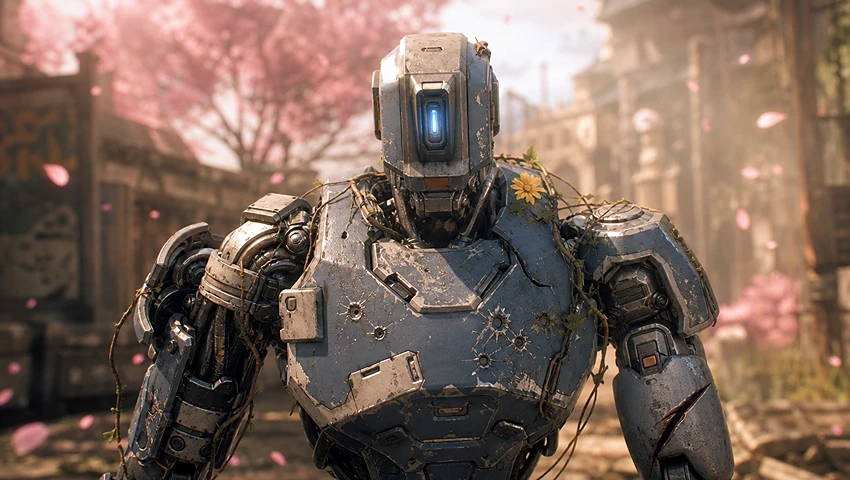
    Sci-fi mini film about a robot discovering spring in overgrown ruins

    Sci-Fi Mini Film

    A Robot Finds Spring

    A battle-scarred robot walks through ruins reclaimed by nature and discovers a single flower beneath the cherry blossoms—a quiet story told through environment, scale, and emotion.

    Prompt

    Create a sci-fi short film about a battle-scarred robot discovering the beauty of spring as flowers and cherry blossoms overtake the ruins of war.

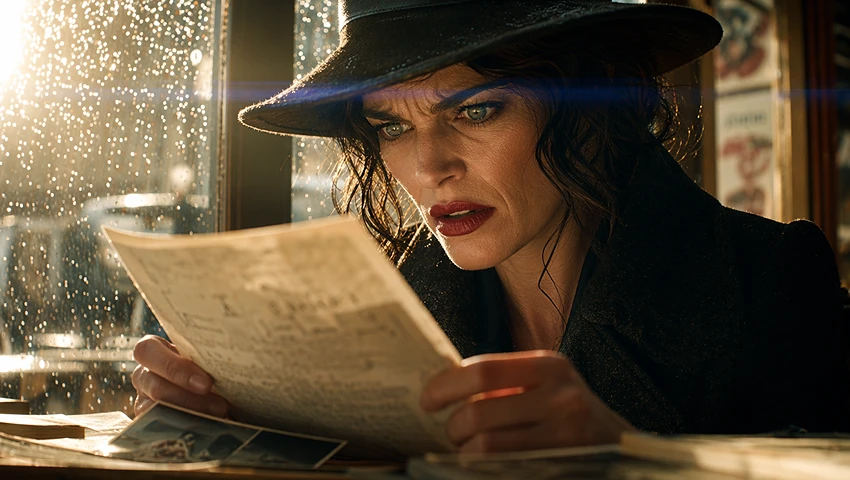
    Live-action revenge drama with a woman uncovering a betrayal

    Live-Action Drama

    The Moment She Learns the Truth

    A betrayed woman silently pieces together what happened before facing the person responsible. Tight close-ups, restrained acting, and controlled lighting turn the reveal into a complete dramatic beat.

    Prompt

    Create a live-action revenge drama that begins with a woman discovering the truth and builds toward a cold, satisfying confrontation.

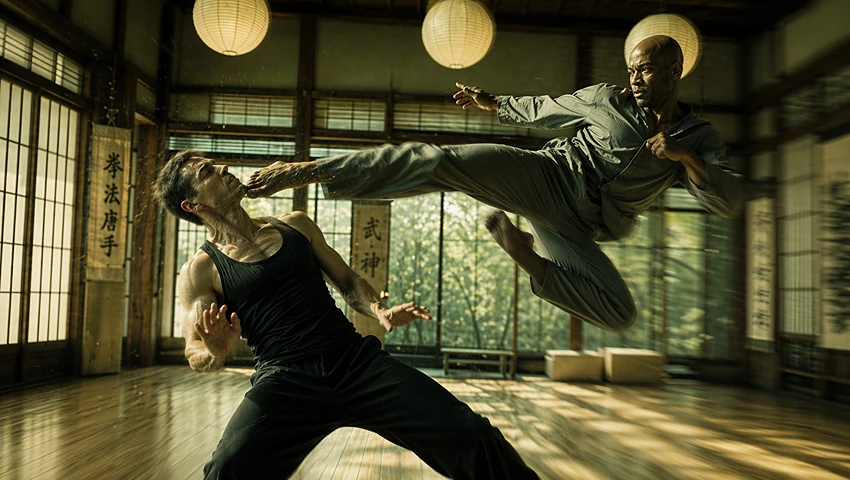
    Cinematic martial arts fight with dynamic camera movement

    Cinematic Action

    Impact in Every Move

    Dynamic tracking, whip pans, suspended impact moments, and a clear final pose give this fight scene the rhythm and physical force of a choreographed action sequence.

    Prompt

    Create a high-energy fight scene with dynamic tracking shots, whip pans, slow-motion impacts, and a clean heroic finish.

    Anime swordsman releasing a final magical attack

    Anime Story

    The Final Sword Strike

    A lone swordsman gathers power, releases one decisive attack, and defeats the demon king. The sequence builds tension before delivering a magical impact and victorious ending.

    Prompt

    Create a Japanese anime-style scene where a lone swordsman unleashes a final ultimate attack against the demon king.

    Felted wool storybook animation with a rabbit in a garden

    Felted Storybook

    A Gentle Bedtime Adventure

    A soft wool-crafted rabbit explores a bright miniature garden. Handmade textures, warm color, and gentle movement make the clip feel like a children’s storybook brought to life.

    Prompt

    Create a warm felted-wool children’s storybook video with a gentle handmade look and a curious rabbit hero.

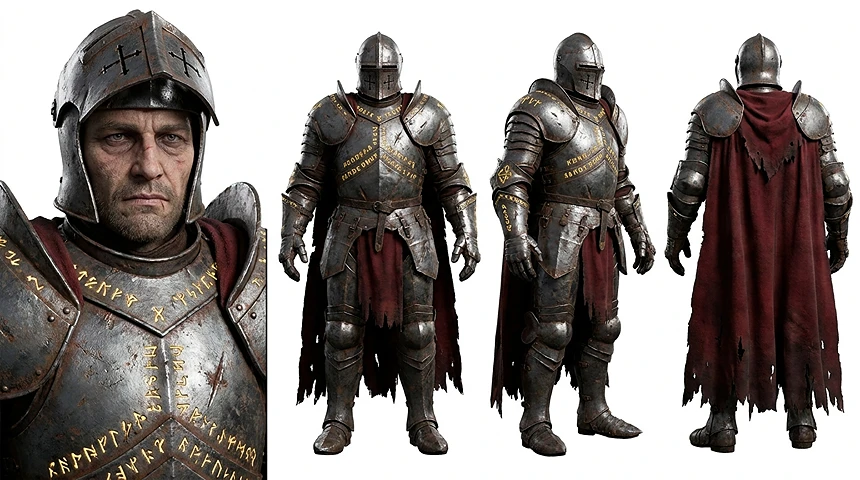
    Fantasy game CG trailer with hero and armored enemies

    Fantasy Game CG

    A World Worth Entering

    Hero portraits, armored enemies, world-building shots, and combat moments combine into a cinematic concept trailer that introduces the game before its final reveal.

    Prompt

    Create a fantasy action-game CG trailer with the world, main hero, powerful enemy, epic combat, and a dramatic final reveal.

    EXPLORE THE WAN 3.0 VIDEO GENERATION WORKFLOW

    Wan 3.0 is a multimodal AI video model developed by Alibaba's Wan team. Its official capabilities extend beyond basic text-to-video generation to include image-guided video, multimodal references, audiovisual generation, and editing workflows.

    Five starting points for a complete Wan 3.0 brief

    Longer AI Video Generation

    Create a story with an opening, development, and ending.

    Wan 3.0 officially supports video generation from 2 to 30 seconds. Longer clips can give creators more room for scene development, character actions, and narrative transitions. When planning a longer video, divide the sequence into clear shots or story beats instead of placing every action in one long sentence.

    Smart Duration and Scene Planning

    Let the story guide the timing.

    Wan 3.0 supports a smart-duration option at the model level. Rather than always requesting the maximum duration, creators can plan a video around the amount of action required. For precise advertising formats, use an explicit duration when the selected interface supports it.

    Multimodal Reference Inputs

    Combine creative instructions with relevant source material.

    Wan 3.0 can use images, video, audio, documents, and public webpages as references in supported workflows. A product image can define appearance. A video reference can guide motion. Audio can guide rhythm or performance. A document or webpage can provide narrative context. Not every reference combination is valid, and not every mode exposes the same upload options.

    Photorealistic and Stylized Video Direction

    Describe the visual details that matter.

    Use prompts to guide lighting, materials, facial expressions, environments, camera angles, and artistic styles. Wan 3.0 can support both realistic and stylized creative directions, including cinematic action, animation, product demonstrations, and fictional worlds. Generated text, logos, anatomy, and physical interactions should still be reviewed before publishing.

    Reference Consistency and Native Audio

    Coordinate visual identity, motion, and sound.

    Reference-based workflows can help guide the appearance of characters, products, and environments. Wan 3.0 also supports native dialogue, background music, and sound effects. For more consistent results, identify which elements must remain unchanged and which elements are allowed to move or transform.

    FIVE WAYS TO DIRECT A MORE COMPLETE WAN 3.0 VIDEO

    A clear creative brief helps Wan 3.0 interpret a complex scene. These five capabilities are useful starting points when planning a new generation.

    Projected 30s + Smart Duration

    Plan More Time for a Complete Story

    01

    The preview represents a 30-second option for ideas that need an opening, development, transition, and conclusion. Its smart-duration concept shows how explainers, commercials, and narrative scenes could receive more room when the live workflow supports it.

    Timeline showing native thirty-second Wan 3.0 generation
    Omni Reference

    Bring More Context into the Video Brief

    02

    The preview groups image, text, video, and audio direction, with documents or webpages represented as structured context. Use the live Topview generator to confirm which sources the selected model and mode currently accept.

    Image text video audio document and webpage reference inputs
    Photoreal World Renderer

    Direct Physical and Digital Details

    03

    Use the brief to describe skin, materials, light, motion, voices, environments, software UI, typography, and animation. These examples demonstrate the intended direction; generated realism and text accuracy still require frame-by-frame review.

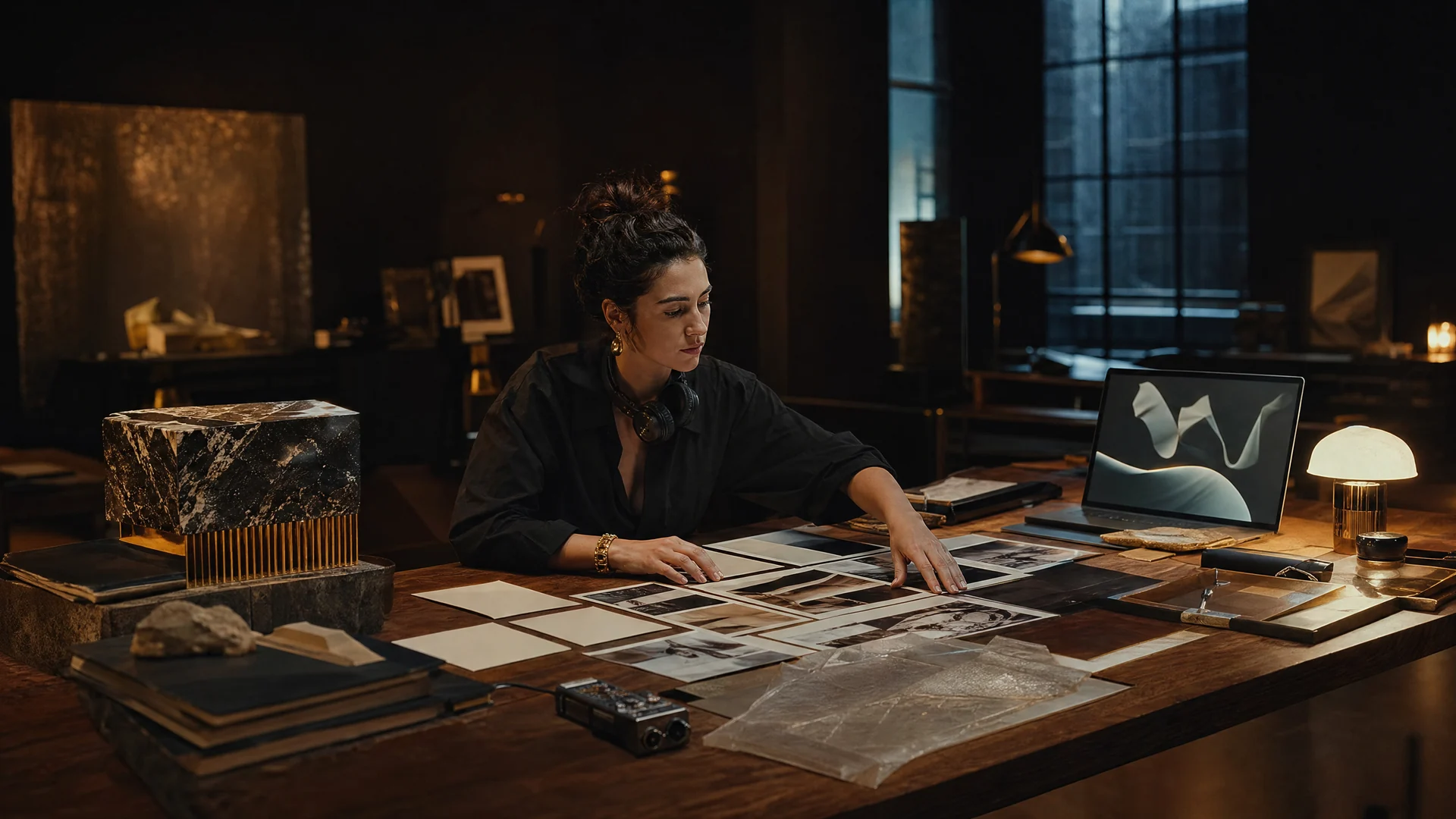
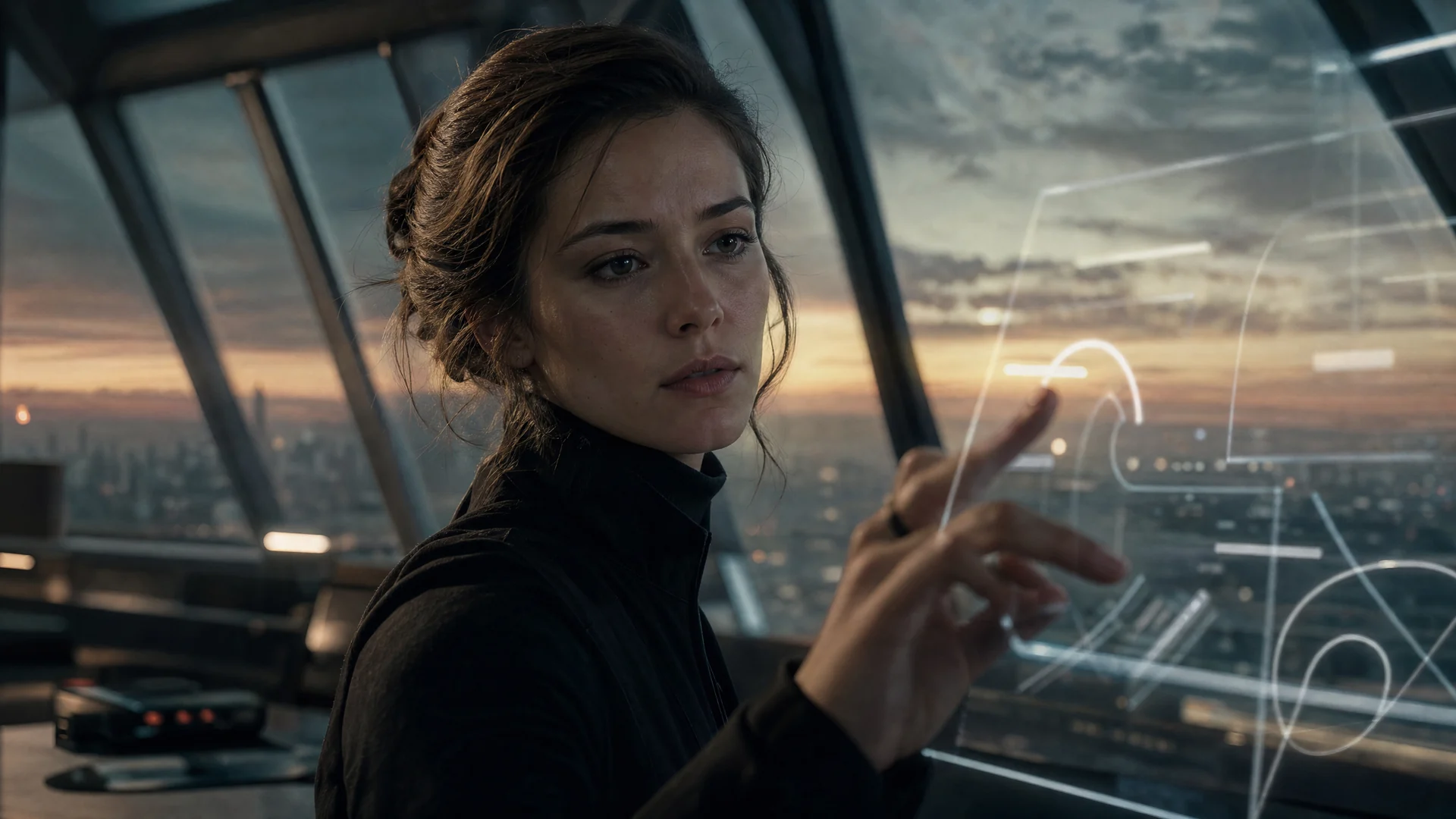
    Photoreal person beside precisely rendered software interface
    Reference Consistency

    Specify More Than a Resemblance

    04

    Identify the characters, products, props, voices, locations, framing logic, and spatial relationships that should follow the reference. Treat consistency as a direction to review, not a guaranteed pixel-perfect result.

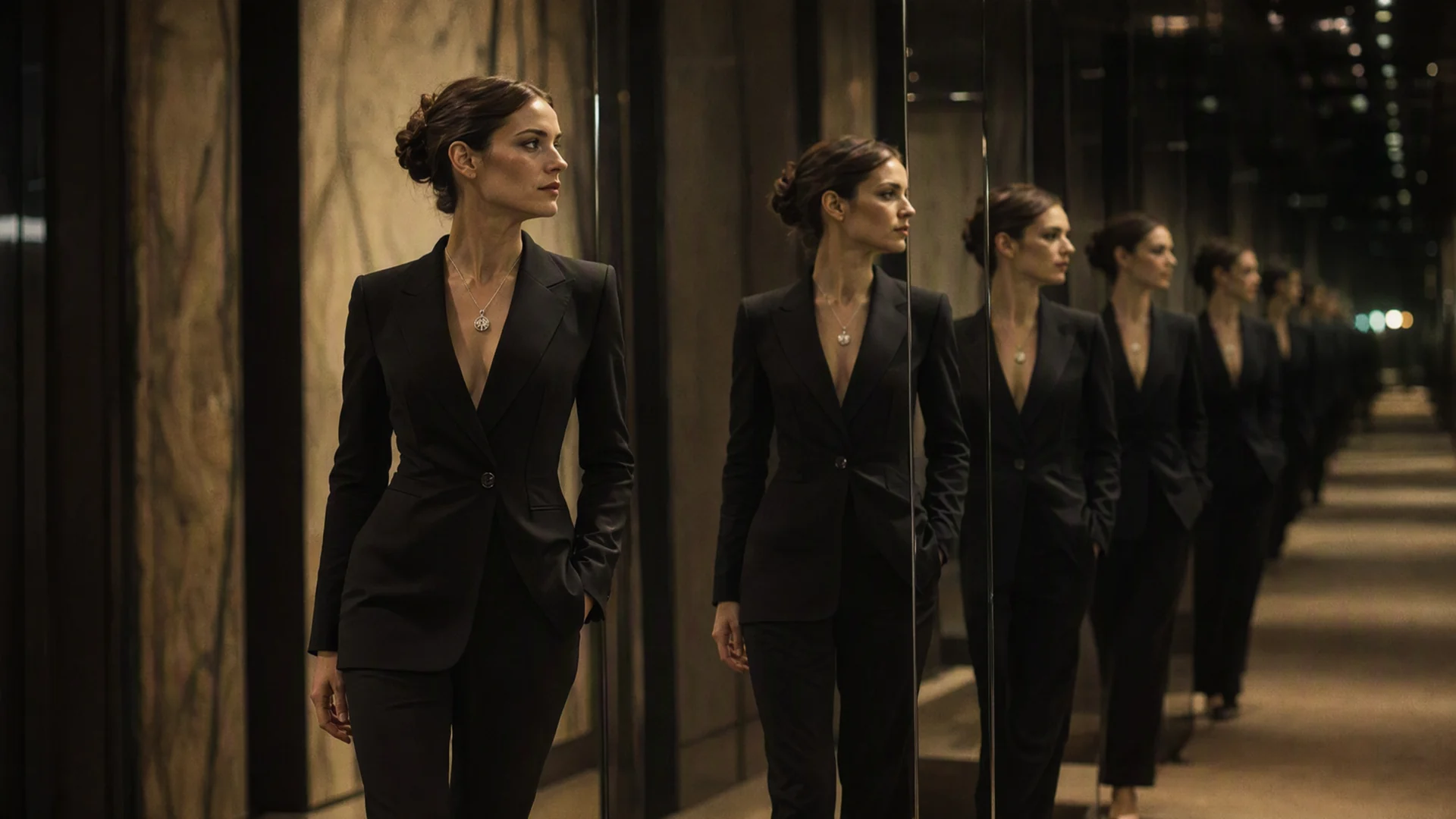
    Consistent character product and room details across multiple shots
    Audiovisual Impact

    Give Every Shot More Drama

    05

    Use action, sound, acting, camera energy, pacing, and plot in the same creative direction. The example briefs show how to ask for a reveal, tension, performance, or emotional finish when the selected workflow supports the required inputs.

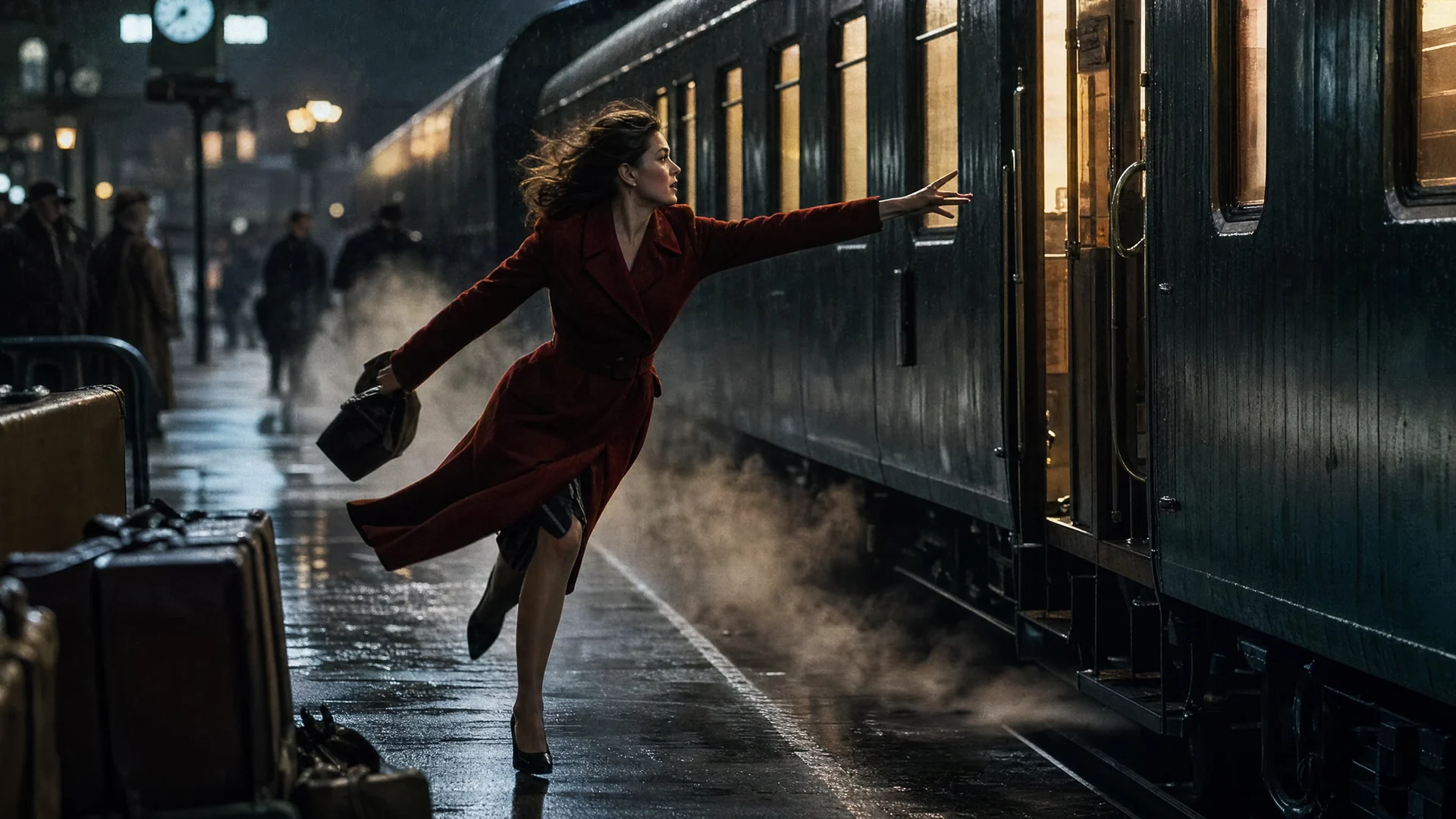
    Cinematic action scene with dramatic sound and performance
    Built for real briefs

    FROM SOURCE MATERIAL TO A FINISHED VIDEO

    Wan 3.0 in Topview offers workflows that can connect visual generation to information and media supplied by the creator. The following examples show how different sources can help shape an AI video.

    Document transformed into a Wan 3.0 video explainer

    Document-to-Video Explainers

    Plan a paced visual explanation from a product brief, pitch deck, lesson plan, or report. When document input is available, use it for facts and hierarchy, then add supported image, UI, character, or audio references.

    Webpage transformed into a Wan 3.0 campaign video

    Webpage-to-Video Campaigns

    Plan a launch film or social ad around webpage content. When webpage context is available, identify the product language, visual system, interface structure, and key messages that the video should adapt into motion.

    Reference-locked Wan 3.0 narrative world

    Reference-Locked Story Worlds

    Build a connected brief around characters, locations, props, voice, music, and a storyboard. Reuse the supported reference set for variations, then review every output for identity and world consistency.

    WHO SHOULD USE WAN 3.0?

    This Wan 3.0 workflow preview is aimed at teams exploring more narrative space, reference-led direction, and a closer connection between visuals and sound.

    Filmmakers & Previs Teams

    Block complete beats, explore camera language, test performances, and communicate a scene before committing to a full shoot.

    Brand & Product Marketers

    Keep products, typography, interface details, and campaign style recognizable across launch films, ads, and format variations.

    Creative Agencies

    Combine a client's deck, site, brand references, voice, and storyboard into reviewable video directions without rebuilding the brief by hand.

    Game & World Builders

    Prototype environments, character interactions, UI overlays, and story moments while maintaining the spatial logic of the world.

    Educators & Product Teams

    Plan visual explanations from documents, software workflows, and structured information, then verify supported inputs and review digital details for accuracy.

    Music & Performance Creators

    Build around a track, voice, rhythm, and performance reference so the edit feels driven by sound rather than added after the fact.

    HOW TO TRY WAN 3.0 FOR FREE ONLINE

    You can start exploring Wan 3.0 on Topview with eligible trial credits. A browser-based workflow lets you provide a prompt, add supported references, and choose available generation settings.

    Choosing a Wan 3.0 generation mode in Topview
    Step 1

    Choose Text to Video, Image to Video, or Omni Reference

    Open the Wan 3.0 generator and select the mode that matches your input material. The mode selector determines which inputs and controls are available.

    • Text to Video: Start with a written scene description.
    • Image to Video: Animate a source image using text instructions.
    • Omni Reference: Guide a video with supported creative reference materials.
    Writing a Wan 3.0 prompt and adding references
    Step 2

    Write Your Prompt and Add References

    Describe the subject, movement, setting, camera, visual style, timing, and sound. If you use an image, identify what should remain consistent. For multiple references, name each source and explain its role. Review the editable direction and reference image, check which model and settings are currently available, then start the generation workflow.

    Reviewing and exporting a Wan 3.0 video
    Step 3

    Review Settings and Generate

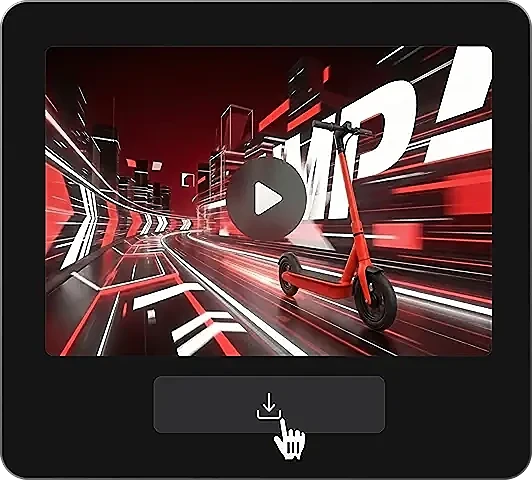
    When the result is ready, review visual accuracy, motion, and sound. Refine the prompt if necessary, then export the strongest result for ads, social posts, product videos, or creative projects.

    WAN 3.0 IMAGE TO VIDEO: ANIMATE YOUR IMAGES WITH AI

    Wan 3.0 image-to-video generation turns a still image into a moving video based on a written prompt. The image supplies visual information, while the prompt describes what should happen next. The official model supports both first-frame animation and first-and-last-frame video generation. Check which options are available in the current Topview interface.

    First-Frame Image to Video

    A first-frame workflow uses your uploaded image as the opening visual and generates motion from that starting point. This is useful for product photography, portrait animation, illustrated scenes, and environment shots.

    First-and-Last-Frame Video

    When supported, this workflow uses separate opening and ending images to guide the visual transition between them. It can help plan a transformation, camera transition, or movement from one composition to another. First-and-last-frame inputs are a separate task type from general multimodal reference inputs, so do not assume every reference type can be combined in the same generation.

    Steps to Turn an Image into a Video with Wan 3.0

    1. 1Select Image to Video in the generator.
    2. 2Upload a supported source image.
    3. 3Describe the desired subject movement, camera direction, scene changes, and sound.
    4. 4Choose the available output settings and review the credit cost.
    5. 5Generate the video and inspect the result.

    WAN 3.0 FREE VS UNLIMITED ON TOPVIEW

    Wan 3.0 is available through different Topview access options. Free trial access, credit-based generation, and Unlimited benefits have different conditions.

    Can You Try Wan 3.0 for Free?

    Yes. Eligible Topview users can use trial credits to explore supported Wan 3.0 generation workflows. Free trial access is limited. The available allowance, supported settings, and generation costs depend on your account and the current product configuration.

    Does Topview Offer Wan 3.0 Unlimited Generation?

    Yes. Topview's published Ultra and Team plans include Wan 3.0 720P 365 Days Unlimited, subject to the current plan terms. Unlimited means eligible credit-free generation through the Topview website during the applicable benefit period. It does not mean that every resolution, API call, or generation method is included. Unlimited tasks may have longer queue times, depending on demand and account activity.

    Compare Wan 3.0 Access Options

    Access OptionWhat It IncludesImportant Limit
    Eligible free trialLimited trial-credit generationCredit and account eligibility apply
    Credit-based generationPay with applicable Topview creditsCost depends on current settings and plan
    Ultra Unlimited benefitWan 3.0 720P for the stated 365-day periodSubject to plan and queue conditions
    Team Unlimited benefitWan 3.0 720P for the stated 365-day periodSubject to plan and seat conditions

    Unlimited benefits are for eligible in-platform use and do not extend to API, CLI, or other automated generation methods. Always review the latest plan details, generation limits, and billing terms before subscribing.

    View Topview Pricing

    Topview API

    Bring Wan 3.0 into Your App — for Less

    Integrate Wan 3.0 into your application with Topview API. Build text-to-video, image-to-video, and multimodal reference workflows with transparent developer documentation and competitive platform rates.

    Key Benefits

    • Competitive Pricing — Reduce costs with Topview API rates for Wan 3.0.
    • Up to 30-Second Videos — Create longer sequences with opening, development, and payoff.
    • Multimodal Integration — Build with text, image, and supported reference-guided generation.

    Loading current Wan 3.0 API rates…

    Explore Wan 3.0 APIView API Documentation

    Reference rate for the configuration shown. Pricing varies by settings and usage. API pricing is separate from Topview's web generator credits.

    WAN 3.0 PROMPTS: COPY, CUSTOMIZE, AND CREATE

    A useful Wan 3.0 prompt describes more than a visual style. It defines what appears, what happens, how the camera moves, which references matter, and how the video should sound. For longer sequences, a shot-by-shot structure can help communicate timing and transitions.

    A Simple Wan 3.0 Prompt Formula

    Subject + Scene + Action + Camera + Timing + Visual Style + Audio + Reference Instructions

    For a multimodal project, add explicit references such as Image 1, Video 1, or Audio 1 and explain the purpose of each source. Use only the reference types available in your selected generation mode.

    Prompt 1: 30-Second Product Launch Video

    Best for: E-commerce, brand advertising, technology products.

    Prompt

    Create a 30-second premium commercial for the wireless headphones shown in Image 1. Preserve the product's overall shape, color, button positions, and material finish. Shot 1 (00:00–00:06): Extreme close-up of the headphones against a dark studio background. Soft light reveals the surface texture as the camera moves across the product. Shot 2 (00:06–00:12): Transition to a wider rotating product shot. Use clean reflections and a minimal background. Shot 3 (00:12–00:18): Show a person putting on the headphones while walking through a contemporary city. Keep the product design consistent. Shot 4 (00:18–00:24): Show a calm lifestyle moment on public transport. The person closes their eyes and relaxes while the background becomes visually quieter. Shot 5 (00:24–00:30): Return to a simple product hero shot with restrained studio lighting and an elegant final composition. Audio: Modern electronic music, gentle environmental sound, and subtle transition effects. Avoid adding unprovided logos or invented product claims.

    Prompt 2: Photoreal Cinematic Story Sequence

    Best for: Short films, storytelling, previsualization.

    Prompt

    Create a 30-second cinematic scene set inside a nearly empty overnight train during heavy rain. The main character is a woman wearing a dark green coat and holding a small silver case. Keep her face, coat, and the case consistent throughout the sequence. Shot 1 (00:00–00:06): Wide shot of the train moving through a dark landscape. Rain slides across the windows. Shot 2 (00:06–00:12): Inside the compartment, the woman examines a small note and looks toward the locked door. Shot 3 (00:12–00:18): Close-up of her face as she hears footsteps outside. Her expression changes from curiosity to concern. Shot 4 (00:18–00:24): The camera follows her into the corridor. She reaches the end of the carriage and stops. Shot 5 (00:24–00:30): The lights flicker, the silver case opens slightly, and a blue glow illuminates her face. End before revealing what is inside. Audio: Train vibrations, rainfall, footsteps, faint metallic sounds, and a restrained suspenseful score. Use natural camera movement and cinematic low-key lighting.

    Prompt 3: Wan 3.0 Image-to-Video Animation

    Best for: Product photography, social media content, visual storytelling.

    Prompt

    Animate Image 1, showing a vintage red bicycle beside a small flower shop on a rainy street. Preserve the bicycle frame, basket, wheel placement, and overall composition. Begin with a stationary medium shot. Raindrops create small ripples in nearby puddles while flowers move gently in the breeze. Slowly push the camera toward the bicycle as the shop's warm interior light reflects on the wet pavement. Add natural rainfall, distant footsteps, and quiet street ambience. Keep the motion subtle and the original image recognizable throughout.

    Prompt 4: Software Explainer from a Webpage

    Best for: SaaS, product demos, internal training.

    Prompt

    Use the supplied product webpage as the factual reference for a short software explainer. Create a clean, modern visual presentation with clear transitions and minimal motion graphics. Start with the user's main problem, introduce the software interface, then demonstrate three key steps using the source material. Preserve the original feature names and avoid inventing buttons, numbers, or interface options. Use a light neutral background, readable compositions, restrained animations, and a calm English voiceover. End with a summary of the product's main benefit. Verify all interface labels and claims against the supplied webpage.

    Tips for Better Wan 3.0 Prompts

    • Define one primary subject and the main action before adding secondary details.
    • Break longer narratives into shots with approximate time ranges.
    • Specify camera movement instead of relying only on words like "cinematic."
    • Use reference names consistently, such as Image 1 or Video 1.
    • State which character, product, or environment details must remain unchanged.
    • Include dialogue or audio instructions when sound matters.
    • Avoid conflicting instructions and unnecessary requests for perfect results.
    • Start with a manageable scene before attempting complex multi-shot generation.

    WAN 3.0 OFFICIAL MODEL SPECIFICATIONS

    Alibaba Cloud officially documents Wan 3.0 as a multimodal video generation model supporting text-to-video, image-to-video, multimodal reference input, audiovisual output, and editing workflows. The following specifications describe the model's official capabilities. The actual features available in Topview depend on the selected mode, plan, and current service configuration.

    Alibaba's model documentation allows up to 20 multimodal references in a supported request, with specific limits on individual input categories. The total asset limit and valid combinations still apply. First-frame and first-and-last-frame modes cannot be mixed with general reference inputs in the same request.

    Duration

    2–30 seconds

    Official support includes fixed lengths and a smart-duration option. Confirm the options shown in the live Topview generator before planning an exact deliverable.

    Resolution

    Up to 1080P

    Confirm the output tiers available for the selected model and plan before you render.

    Core inputs

    Text · Image · Video · Audio

    Use the live generator to confirm which of these input types the selected model and mode accept.

    Extended context

    Documents · Webpages

    Document or webpage reference: one of these input types in a supported request, not both together.

    Reference images

    Up to 10

    Counts toward the overall multimodal reference limit of up to 20 assets in a supported request.

    Reference videos

    Up to 5 clips

    Combined reference-video duration up to 15 seconds.

    Reference audio

    Up to 5 clips

    Combined reference-audio duration up to 15 seconds.

    Generation modes

    Text · Image · Omni · Edit

    Choose from the modes currently available in Topview for the source material you have.

    Native audio

    Dialogue · Music · SFX

    Wan 3.0 supports synchronized dialogue, background music, and sound effects at the model level.

    Prompt scope

    Shot-level direction

    Describe camera, action, performance, pacing, sound, and continuity constraints in one creative brief.

    CREATE YOUR NEXT VIDEO WITH WAN 3.0 ON TOPVIEW

    Wan 3.0 gives creators a way to explore longer video sequences, image-guided animation, multimodal references, and audiovisual storytelling.

    View Topview Pricing

    Free trial credits for eligible users. Generation availability and credit use are shown in the product workflow.

    Related Resources

    CONTINUE WITH WAN 3.0 ON TOPVIEW

    Compare models, review pricing, or open the Wan 3.0 API documentation before you choose a workflow.

    Wan 3.0 vs MiniMax H3Review their different approaches to video length, visual output, references, and audio.Wan 3.0 vs Seedance 2.0Compare the two model workflows by duration, resolution, references, and generation use case.Topview PricingCheck current plans, trial credits, and Wan 3.0 720P Unlimited benefits.Wan 3.0 APIOpen Topview platform docs and pricing for Wan 3.0 text-to-video integration.

    WAN 3.0 FREQUENTLY ASKED QUESTIONS

    Wan 3.0 is a multimodal AI video generation model developed by Alibaba. It supports text-to-video, image-to-video, and reference-guided video workflows, with native audio generation. The official model supports videos up to 30 seconds at up to 1080P resolution.

    Smart duration is a workflow concept for briefs that should not be forced into one arbitrary clip length. It is shown here as a projected control, so confirm whether it is available in the live generator before relying on it for a deliverable.

    You can use a high-quality interface reference and specify which labels, values, and layout details should remain unchanged. AI video can still distort small text or UI, so keep camera movement readable and verify every frame instead of assuming pixel-perfect output.

    Omni Reference is a multimodal creation workflow that uses supported reference materials to guide a generated video. Depending on the available mode, those references can include images, video clips, audio, documents, or webpages. Each asset should have a clear purpose in the prompt.

    The official Wan 3.0 model supports multimodal combinations under specific input rules. A general reference request can combine supported media types, but documents and webpage links have separate restrictions, and first-and-last-frame generation uses a different input mode. Check Topview's available upload controls before preparing the project.

    Yes. Wan 3.0 officially supports native audiovisual generation, including dialogue, background music, and sound effects. You can describe the intended sound in your prompt, although exact timing, pronunciation, and synchronization may vary.

    Yes, at the official model level. Wan 3.0 supports workflows using documents and publicly accessible webpages as references. The resulting video should be reviewed for factual accuracy, interface details, numerical values, and branding. Availability on Topview depends on the selected mode.

    Wan 3.0 can use reference materials to guide the appearance of people, products, props, and locations. Clear, non-conflicting references help define what should remain consistent. AI-generated outputs may still contain variations, so review individual shots before using the video in production.

    No. The examples cover photoreal direction, stylized animation, digital-world visuals, product graphics, previs, and hybrid live-action concepts. They illustrate intended creative range, not guaranteed output quality; make the visual language explicit in your prompt and references.

    Eligible users can try Wan 3.0 free with Topview trial credits. This page is a workflow preview: available models, settings, and credit use are shown in the product before you generate. Topview does not promise unlimited free generation or official Alibaba Wan 3.0 availability.

    Commercial usage depends on the applicable Topview terms, your plan, the model service terms, and your rights to uploaded material. Review the relevant agreements before publishing or distributing generated videos for business purposes.

    Third-party model and brand names are trademarks of their respective owners. Topview provides access to supported AI models through its independent platform and is not the developer of those third-party models.